30-Day Pantry & Budget Action Plan
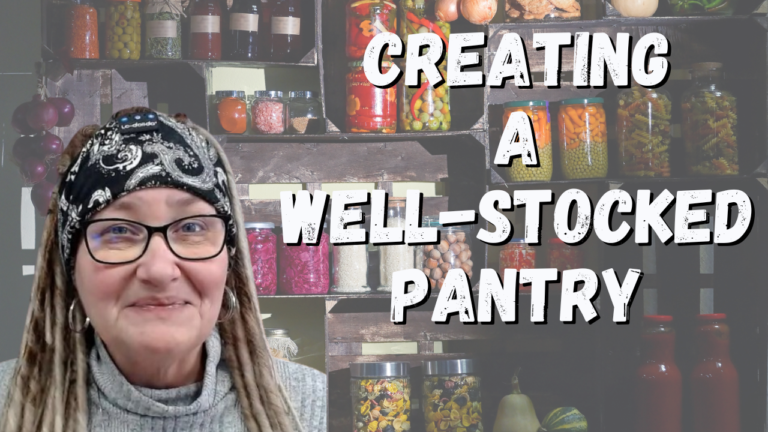
2026 is coming with rising financial pressure and household strain. Learn the pantry steps you can take today to protect your budget before the pinch hits. Practical, calm, doable preparedness for every home.
Goal: Strengthen your household pantry, build a 90-day essentials buffer, and prepare for rising economic pressure in 2026.
| Week | Focus / Task | Details / Instructions |
| Week 1 | Take stock — inventory & assessment | • Empty pantry & cabinets (food + staples) • List everything: item, quantity, approximate expiration date, and category (protein / carb / fat / produce / baking / emergency) • Note “gaps” — what you don’t have (or have in minimal quantity) • Note “near-empty” or “low stock” items • Estimate typical monthly consumption for staples (rice, pasta, beans, canned goods, oil, etc.) |
| Week 2 | Build protein supply | Focus on affordable, shelf-stable proteins: • Canned meat (tuna, chicken, salmon, pork, etc.) • Canned beans & legumes • Shelf-stable sausage / canned stew • If you use freeze-dried or long-shelf foods — consider adding one or two items now while prices are manageable • Rotate: use oldest items first, place newer ones behind |
| Week 3 | Stock up on carbohydrates & basics | Add/top up: • Rice (white / brown) • Pasta (various types) • Rolled oats / quick oats • Dry beans/lentils • Packaged potatoes (instant or dehydrated) • Baking basics if you bake (flour, sugar, salt) — but only if space & budget allow |
| Week 4 | Fill remaining essentials & emergency shelf | Add / top up: • Rice (white / brown) • Pasta (various types) • Rolled oats / quick oats • Dry beans/lentils • Packaged potatoes (instant or dehydrated) • Baking basics if you bake (flour, sugar, salt) — but only if space & budget allow |
| Weeks 5–8 (ongoing) | Weekly $20 stock-up plan & rotation | Each week, pick one pantry category and spend up to ~$20 on it. Example rotation: • Week A: rice / pasta / grains • Week B: canned proteins / beans • Week C: canned vegetables / fruits / sauces • Week D: oils / shelf-stable fats/dairy replacements • Rotate every 4 weeks. Adjust based on what’s missing from pantry. Also: Rotate older items to use first, pushing newer ones to the back — keep freshness and avoid waste. |
| Monthly / As needed | Review & adjust pantry & budget | • Re-assess pantry — update inventory sheet • Check for expired / soon-to-expire items — plan meals around them • Re-evaluate budget: see where pantry use reduced grocery spending • Top up any low-stock essentials • Check for sales / bulk deals — stock accordingly (but avoid overbuying perishables) |
| Emergency Shelf Maintenance | Keep a small “ready-to-eat / low-prep” shelf | Maintain a shelf with items that require minimal or no cooking: • Canned stews / soups / chili • Instant rice / pasta / noodles • Shelf-stable dairy / milk replacers • Bottled water (or water purification plan) • Basic comfort / snack items (optional — for morale) This shelf is your go-to during power outages, shortages, or budget crunches. |
General Guidelines while doing this:
- Stick to your usual grocery or food budget — don’t overspend just to stock up quickly.
- Buy generics if quality is acceptable — brand often matters less for staples.
- Store items properly (cool, dry, dark) to maximize shelf-life.
- Rotate older stock to the front, use first.
- Keep a simple inventory sheet (paper or spreadsheet) to track what you have.
- Focus on high-calorie, nutrient-dense basics (carbs + proteins + fats) over specialty or luxury foods.




I thoroughly enjoy listening and reading your posts. One I watch regularly. I’ve been prepping a little for years, but I’ve stepped up my game in the past year. Canning more and working on better storage options for longterm. This is why I made the investment in the medium Harvest Right freeze dryer. Made room, and it should be here in a week. Hubby is now on board! Thank you again! I grew up poor and I was a single parent and struggled. So, lived experiences taught me to never run out of toilet paper, etc. I feel peace and I don’t panic. I appreciate your grounded approach. Kindly, Kathy