Comfrey Salve
Freeze-Dried Comfrey Salve (Calm, Practical Method)
Comfrey salve made from freeze-dried leaves is one of the most effective topical remedies I keep on hand for bruising, sprains, sore joints, and general inflammation. Freeze-drying preserves the plant exceptionally well, retaining nearly all of its medicinal value, which means you need less material to get reliable results.
The process itself is simple: infuse the herb into oil, strain, thicken with beeswax, and let it set. No shortcuts.
A Word About Comfrey (And Why We Use It Carefully)
Comfrey—often called knitbone—has been used externally for thousands of years to support healing of bruises, sprains, strains, and fractures. Its effectiveness comes largely from allantoin, a compound that encourages rapid cell regeneration.
That same strength is also why comfrey must be used with respect.
Modern herbal safety standards are very clear: comfrey is for external use only.
Crucial Safety Guidelines (Please Read)
- Never use on broken skin. Comfrey can cause skin to close too quickly, potentially trapping infection underneath.
- Never ingest comfrey. It contains pyrrolizidine alkaloids (PAs), which are toxic to the liver.
- Short-term use only. Do not use for more than 10 consecutive days, and limit total use to 4–6 weeks per year.
- Avoid during pregnancy or breastfeeding.
- Patch test first. Especially if you have sensitive skin.
- If recovering from surgery or injury, consult your healthcare provider before adding any herbal remedy.
This isn’t fear-based caution—it’s responsible herbalism.
Using Comfrey for Tendons, Sprains & Muscle Strain
Comfrey works best when applied topically for inflammation and soft-tissue injuries. Apply to unbroken skin up to 2–3 times daily, within the time limits above.
Common methods include:
- Salves or creams (homemade or commercial)
- Poultices made from fresh or rehydrated leaves
- Infused oils used directly or as a base for salves
Why Freeze-Dried Comfrey Is Worth It
While air-dried comfrey is common, freeze-drying offers clear advantages:
- Higher retention of active compounds like allantoin and rosmarinic acid
- Less oxidation, better color, and better quality overall
- Instant rehydration, making it ideal for poultices or oil infusions
- More consistent potency, which matters when you’re making medicine at home
Freeze-dried herbs remove guesswork. And when it comes to medicinal plants, consistency matters.
Bottom Line on Safety
- Internal use: Never
- External use: Yes, on intact skin only
- Duration: Short-term, limited use
If you’re pregnant, nursing, managing liver conditions, or taking medications, consult a healthcare professional before use.
Preparedness—even herbal preparedness—is about knowledge, restraint, and respect for the plant.
Be safe. Use it wisely. And keep stacking your skills right alongside your pantry.
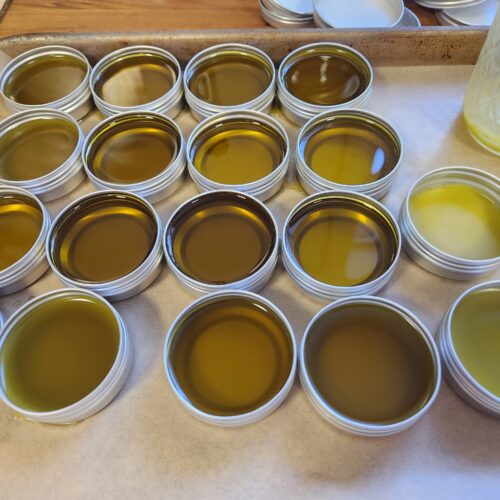
Comfrey Salve
Ingredients
- 1 cup dried or freeze dried comfrey leaves
- 2 cups carrier oil (sunflower, olive, coconut, etc)
- 1/2 cup beeswax pellets
- 1 tsp Vitamin E oil (optional)
- 5-10 drops essential oil (optional)
Instructions
- Infuse the Oil (Heat Method): Combine the freeze-driedcomfrey and carrier oil in a double boiler or slow cooker. Heat on the lowestsetting for 3-6 hours, ensuring the oil does not exceed 140°F (60°C).Strain: Once infused, strain the oil through cheeseclothinto a clean jar, squeezing out as much oil as possible.Add Beeswax: Using a double boiler, melt the beeswaxpellets. Pour in the warm, strained comfrey oil and stir until fully combinedand melted.Finish: Remove from heat, stir in optional essential oils orVitamin E, and pour into tins or jars.Cool: Let the salve cool completely, uncovered, for 24 hoursbefore sealing. Tips:Usage: Apply to skin for bruises, cuts, joint inflammation,and sprains.Safety: Do not apply to open wounds.Storage: Store in a cool, dark place; it will last up to 6months.
Thank you I will be using your recipe. I do have my own and have great success when using on several body issues You are so useful for many forms of knowledge
Great, just bought the seed and need to treat tendons in my hands. Thank you.